
There are an estimated 53 million family caregivers in the United States.
Together, they provide roughly $600 billion worth of unpaid care every year, care that keeps loved ones at home, reduces healthcare costs, and holds our healthcare system together.
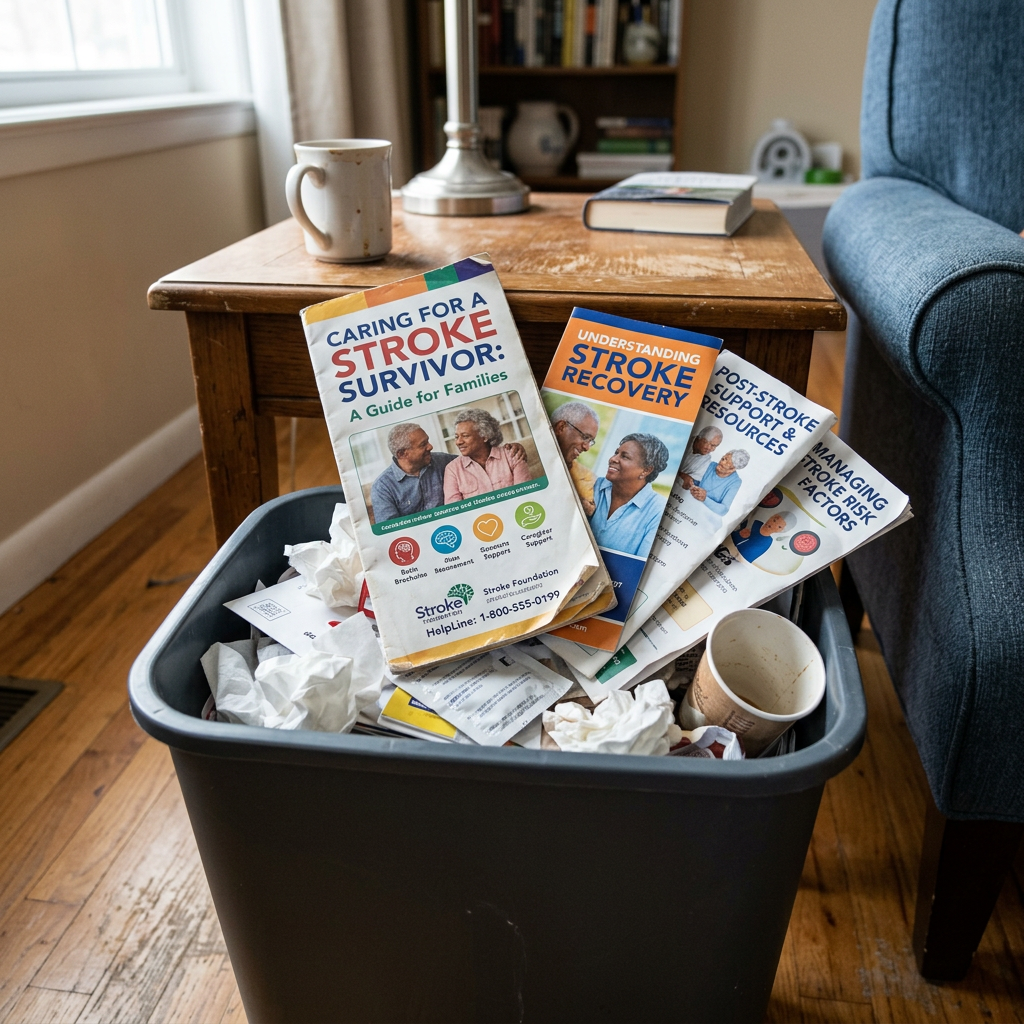
Yet if you ask caregivers what they need most, the answer usually isn’t another brochure.
It’s help.
Real help.
As a Caregiver, I Started Looking for Answers
When my mother had her stroke, I became an overnight caregiver.
Like so many families, I didn’t receive a handbook. I received a hospital discharge packet and a long list of questions.
That’s when I discovered the Rosalynn Carter Institute for Caregivers.
For decades, the Institute championed family caregivers through education, community partnerships, rural outreach, and scholarship opportunities for young caregivers. Their work helped bring national attention to a group of people that had often gone unseen.
Recently, the Institute has merged with The Carter Center and continues its mission as the Rosalynn Carter Mental Health and Caregiver Program, with an expanded focus on mental health, research, and public policy.
I genuinely hope that work continues to improve the lives of caregivers.
But I also believe we need something more.
We Don’t Need Less Research.
We Need More Action.
Research has already taught us a great deal.
We know caregivers experience higher rates of stress, depression, financial hardship, and burnout.
We know millions leave the workforce or reduce their hours to care for loved ones.
We know family caregivers save the healthcare system hundreds of billions of dollars every year.
The question isn’t whether caregivers need support.
The question is:
Why is meaningful support still so difficult to find?
Information Doesn’t Lift Someone Into Bed
I’ve learned an incredible amount from organizations like the American Stroke Association, rehabilitation hospitals, speech therapists, and caregiver advocacy groups.
I wouldn’t know how to manage aphasia, dysphagia, or stroke recovery without them.
But education doesn’t stay with my mom while I go to the grocery store.
It doesn’t give me one afternoon to catch up on sleep.
It doesn’t pay for in-home care.
It doesn’t replace lost income.
Eventually, every caregiver reaches a point where information isn’t the problem anymore.
The problem is doing it alone.
What Caregivers Actually Need
Spend five minutes in any caregiver support group and you’ll hear the same requests again and again.
They ask for:
- Affordable respite care
- Financial assistance
- Reliable adult day programs
- In-home support
- Transportation
- Flexible employers
- Someone they can trust to stay with their loved one for a few hours6
These aren’t luxuries.
They’re what make caregiving sustainable.
Trust Matters
Another challenge caregivers face is simply knowing where to turn.
While the overwhelming majority of care providers work tirelessly for the families they serve, highly publicized fraud cases involving adult day care programs can undermine confidence in systems that caregivers desperately need. For example, the U.S. Department of Justice has prosecuted multimillion-dollar Medicaid fraud schemes involving adult day care services that were never properly provided.
When caregivers can’t find available services, but read headlines about resources being misused, it becomes even harder to know where to place their trust.
That frustration is real.
Why I Started Beyond Stroke Survival
This website began as a way to share what I was learning while caring for my mother after her stroke.
But over time, my vision grew.
I don’t want Beyond Stroke Survival to become just another website full of articles.
I want it to become a community.
A place where caregivers can learn from one another.
Share their stories.
Celebrate small victories.
Support each other through difficult days.
And one day…I hope it becomes something even bigger.
My dream is to create a nonprofit that helps caregivers earn income by sharing their knowledge and experiences, because the lessons caregivers learn are valuable. They’re earned through long nights, difficult decisions, hospital visits, and unconditional love.
That wisdom shouldn’t disappear when the caregiving journey ends.
It should help the next family beginning theirs.
Caregiving Is a Community Responsibility
Former First Lady Rosalynn Carter once said:
“There are only four kinds of people in the world: those who have been caregivers, those who are caregivers, those who will be caregivers, and those who will need caregivers.”
She was right.
Caregiving isn’t someone else’s issue.
It’s everyone’s future.
But while we work toward better systems, we can’t forget the people living this reality today.
Because caregivers don’t just need to be studied.
They need to be seen and supported.
And sometimes…
They simply need another pair of hands.
Join the Conversation
Are you caring for someone after a stroke or another life-changing illness?
I’d love to hear your story.
My hope is that Beyond Stroke Survival becomes more than a blog, it becomes a place where caregivers feel understood, supported, and inspired to help one another.
Together, we can build the kind of community we all wish existed when our caregiving journey began.
Sources & Further Reading
- AARP & National Alliance for Caregiving. Caregiving in the U.S. 2020.
https://www.caregiving.org/caregiving-in-the-us-2020/
One of the most comprehensive studies on family caregivers in the United States. - AARP Public Policy Institute. Valuing the Invaluable: 2023 Update.
https://www.aarp.org/ppi/info-2023/valuing-the-invaluable-2023-update.html
Estimates the economic value of unpaid family caregiving at approximately $600 billion annually. - The Carter Center. Rosalynn Carter Mental Health and Caregiver Program.
https://www.cartercenter.org/health/mental_health/caregivers/index.html
Information about the program following the merger with the Rosalynn Carter Institute for Caregivers. - Rosalynn Carter Institute for Caregivers (Archived Resources).
https://rosalynncarter.org/rci-impact-papers/
Impact reports highlighting previous caregiver outreach, community partnerships, and scholarship programs. - American Stroke Association. Life After Stroke.
https://www.stroke.org/en/life-after-stroke
Resources for stroke survivors and family caregivers. - National Institute on Aging. Caregiving.
https://www.nia.nih.gov/health/caregiving
Practical guidance for family caregivers and healthy aging. - Centers for Disease Control and Prevention (CDC). Caregiving for Family and Friends.
https://www.cdc.gov/aging/caregiving/index.html
Information on caregiver health, stress, and available resources. - U.S. Department of Justice. Two Individuals Plead Guilty in $68 Million Adult Day Care Fraud Scheme.
https://www.justice.gov/opa/pr/two-individuals-plead-guilty-68m-adult-day-care-fraud-scheme
Example of healthcare fraud that highlights the importance of accountability and oversight in publicly funded programs.
Author’s Note
This article reflects my personal experiences as a daughter and caregiver for my mother following her stroke. The opinions expressed are my own and are intended to encourage discussion about how we can better support family caregivers. While I reference reputable research and organizations, this article should not be considered medical or legal advice.

Leave a Reply