
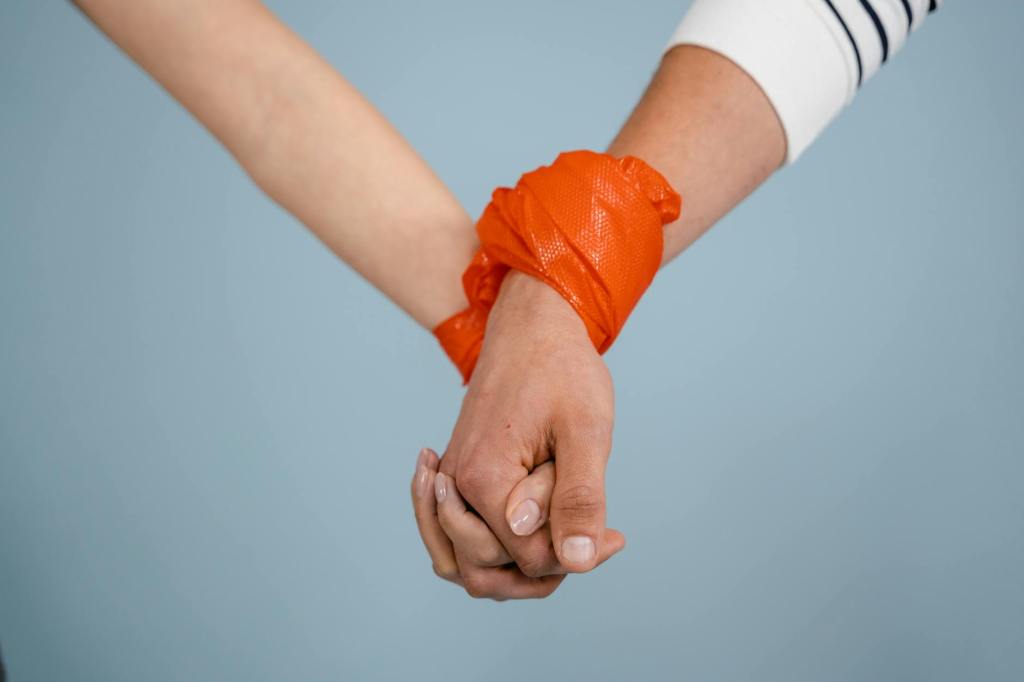
When my mom had her stroke, we focused on the basics: physical therapy, speech therapy, and adapting to our new normal. It wasn’t until much later that I stumbled upon a therapy called Constraint-Induced Movement Therapy (CIMT). Learning about it felt like uncovering a hidden gem—something that could have made a significant difference in her recovery.
Understanding Learned Non-Use
After a stroke, it’s common for survivors to favor their unaffected limbs. This avoidance can lead to “learned non-use,” where the brain essentially “forgets” how to use the affected limb due to lack of practice. Dr. Edward Taub, a neuroscientist at the University of Alabama at Birmingham, developed CIMT to combat this phenomenon. His research showed that by restraining the unaffected limb and encouraging use of the affected one, patients could regain function through neuroplasticity—the brain’s ability to reorganize itself .
What Is Constraint-Induced Movement Therapy?
CIMT involves:
- Restricting the Unaffected Limb: Typically, the unaffected arm is placed in a mitt or sling.
- Intensive Practice: The affected limb is engaged in repetitive, task-specific activities.
- Duration: Traditional CIMT programs last about two weeks, but modified versions (mCIMT) offer more flexible schedules.
This approach forces the brain to “relearn” how to use the affected limb, leading to improved motor function.
Our Experience and Reflections
Looking back, I realize that my mom often avoided using her affected arm, not out of choice, but because it was challenging. If we had known about CIMT earlier, we might have incorporated simple practices at home to encourage its use. Now, even small tasks like holding a cup or turning pages are victories we celebrate.
Implementing CIMT Principles at Home
While formal CIMT should be supervised by professionals, caregivers can adopt its principles:
- Encourage Use of the Affected Limb: Prompt your loved one to use their affected arm for daily tasks, even if it’s just for a few minutes.
- Limit Compensation: Gently discourage over-reliance on the unaffected limb.
- Celebrate Small Wins: Recognize and praise any use of the affected limb to build confidence.
Always consult with a therapist before starting any new exercises or routines.
Resources for Further Reading
- University of Alabama at Birmingham’s CI Therapy Program
- American Stroke Association
- Flint Rehab’s Guide on Learned Non-Use
By sharing our journey and the insights we’ve gained, I hope to shed light on therapies like CIMT that might not be widely known but can make a significant difference in stroke recovery. If you’re a caregiver or a stroke survivor, know that exploring various rehabilitation options can open new doors to healing and independence.

 Beyond Stroke Survival
Leave a comment