
Reaching Stage 3 of a progressing diet after a stroke is a huge milestone—for both survivor and caregiver. Gone are the days of strictly puréed meals and thickened liquids. At this stage, the focus is on soft solids that still require minimal chewing but finally bring back flavor, texture, and the joy of eating.
But it’s not just about food. It’s about regaining identity and pleasure in something that once felt simple. And as caregivers, we walk a fine line between encouragement and caution.
This post covers what Stage 3 looks like, how to navigate it safely, and real-world tools, foods, and strategies that helped us along the way. We’ll share the wins—and the warnings—so you can avoid the mistakes we made.
🍽️ What is Stage 3? (Mechanical Soft Explained)
Stage 3 is often referred to as a “mechanical soft” diet. Foods should be fork-mashable, moist, and free of hard or crunchy elements. Think mashed sweet potatoes. This is the stage where chewing begins to matter more, and swallowing safety is still a top concern.
Always consult with a speech-language pathologist (SLP) or doctor before progressing to this stage.
📚 Resource: IDDSI.org for international standards on food texture and drink thickness.
🧠 Why This Stage Matters
This is a powerful moment in recovery. Your loved one is gaining strength and confidence. Their body is relearning how to chew and safely swallow a wider variety of foods.
Chewing strengthens jaw and throat muscles. Taste and texture bring joy. Eating more independently is a morale boost.
When my mom reached Stage 3, I made her stuffed green peppers—something familiar and comforting. The pepper was soft and cut up and the beef was fine and covered in sauce. She was excited to eat something she loved eating, but I also watched closely. One wrong bite, too fast or too big, and she could choke or aspirate.
✅ Signs Your Loved One is Ready
- Can tolerate purées and thick liquids without coughing
- Has improved swallowing reflexes
- Swallowing evaluations from a speech therapist are positive
- Shows interest in eating new textures
🛑 Red Flags to Watch For
- Chewing fatigue
- Pocketing food in the cheek (especially on a weak side)
- Wet or gurgly voice after meals
- Sudden coughing or breathlessness while eating
- Unexplained low-grade fevers (could indicate aspiration pneumonia)
Progressing too quickly can be traumatic. Some stroke survivors experience food-related PTSD after a choking incident (Source: American Stroke Association). Fear of eating can lead to malnutrition, depression, and emotional withdrawal.
👩⚕️ Real-Life Support: Lessons from Our Speech Therapist
Our speech therapist gave us practical, repeatable advice:
- Take small bites
- Chew thoroughly
- take drinks between bites
- Don’t rush—it’s not a race
Even now, I remind my mom during meals. She forgets. It’s not willful—her brain is still rewiring. Chewing and swallowing, once automatic, now require conscious effort. This reminder became our mealtime mantra: “Small bites. Sip. Breathe.”
🧼 Tools That Help
- Mouth Swabs: These disposable oral swabs help remove food stuck in cheeks—especially important when sensation is impaired. Leftover stuck food can be inhaled accidentally with a big breath.
- Anti-Slip Bowls: This bowl suctions to the table and has a slanted side, making it easier for one-handed eating.
- Adaptive Silverware: If tremors or grip weakness are an issue, adaptive utensils like these help maintain independence and dignity.
- Large Napkins or Bibs: Relearning how to eat can be messy. A good set of dinner napkins or washable bibs can reduce cleanup stress.
🍳 Foods to Try in Stage 3
✅ Safe & Delicious Options:
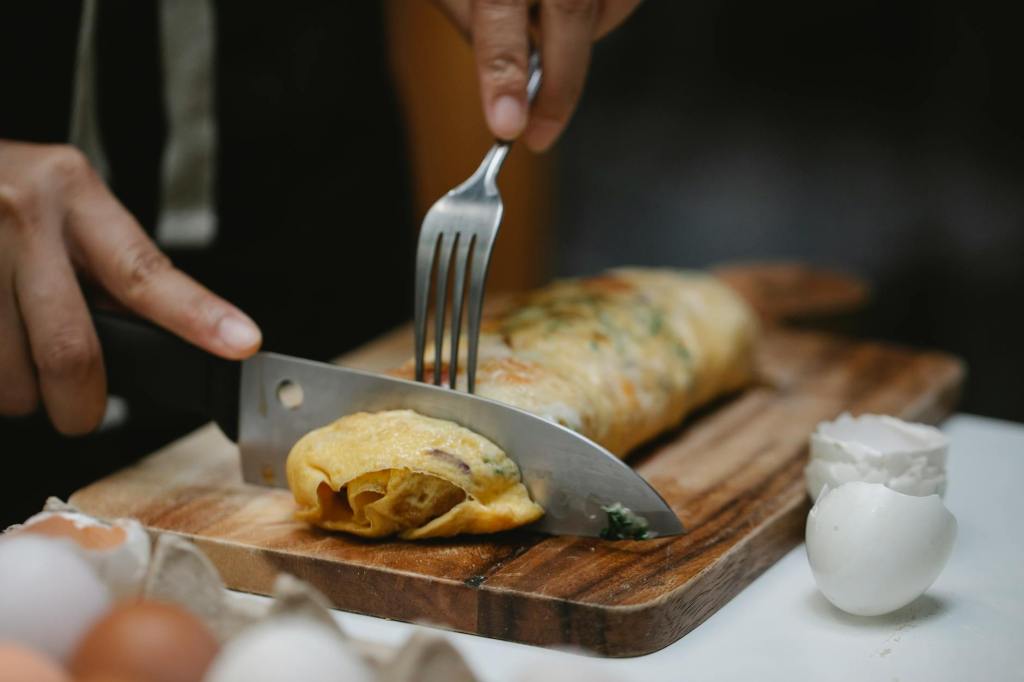
- Soft scrambled eggs or cut-up omelets with mild salsa
- Moist pancakes, French toast, or oatmeal
- Mashed potatoes with gravy
- Bananas or avocado
- Shepherd’s pie (see recipe below)
- Ground beef chili (beans and tomatoes well-cooked)
- Biscuits and gravy (cut into bite-sized pieces)
- Lasagna with extra sauce, chopped finely
- Mac n Cheese
❌ Still Avoid:
- Regular bread
- Dry rice or long noodles
- Crunchy veggies/fruits
- Nuts, seeds, sticky nut butters
➡️ We personally avoided rice and noodles. While technically soft, they often stuck in her cheek and were hard to detect, increasing risk of aspiration.
👩🍳 Recipe: Soft Shepherd’s Pie
This comfort dish is packed with protein, easy to chew, and full of flavor.
Ingredients:
- 1 lb ground beef or turkey
- 1 cup frozen peas and carrots (well-cooked)
- 1/2 onion, minced (optional)
- 2 tbsp tomato paste or 1/4 cup broth or gravy (adjust to keep filling moist)
- 2 cups mashed potatoes (creamy and smooth)
- Salt, pepper, garlic powder to taste
Instructions:
- Brown the ground meat and drain.
- Add minced onions and frozen veggies, cook until soft.
- Stir in tomato paste or broth. Season to taste.
- Spoon mixture into a baking dish.
- Spread mashed potatoes on top.
- Bake at 375°F for 15–20 minutes until warm and golden.
Cut into small, moist servings. Add broth or gravy.
💡 Tips for Mealtime Success
This stage brings back more appetizing meals, independence, and joy—but carries real risks. Go slow. Be patient. Use the tools and supports available.
- Create a calm, quiet eating space
- Use anti-slip tools or plate guards
- Cue your loved one: “Small bites. Sip. Breathe.”
- Watch for fatigue—keep meals short and positive
💬 Meal Time Mantra:
“Chew more then you’d think, swallow, sip, repeat”
You’re not alone. We’ve been there. We’re still learning, too.
📚 Related Posts
- Stage 2: Pureed and Thickened Liquids
- [Best Kitchen Tools for Stroke Caregivers] (coming soon)
- [Advocating for a Loved One in the Hospital] (coming soon)
📣 Join the Community
Caregiving is hard—but you don’t have to do it alone.
📚 Visit our Resources & Tools section for guides, gear, and support

 Beyond Stroke Survival
Leave a comment