
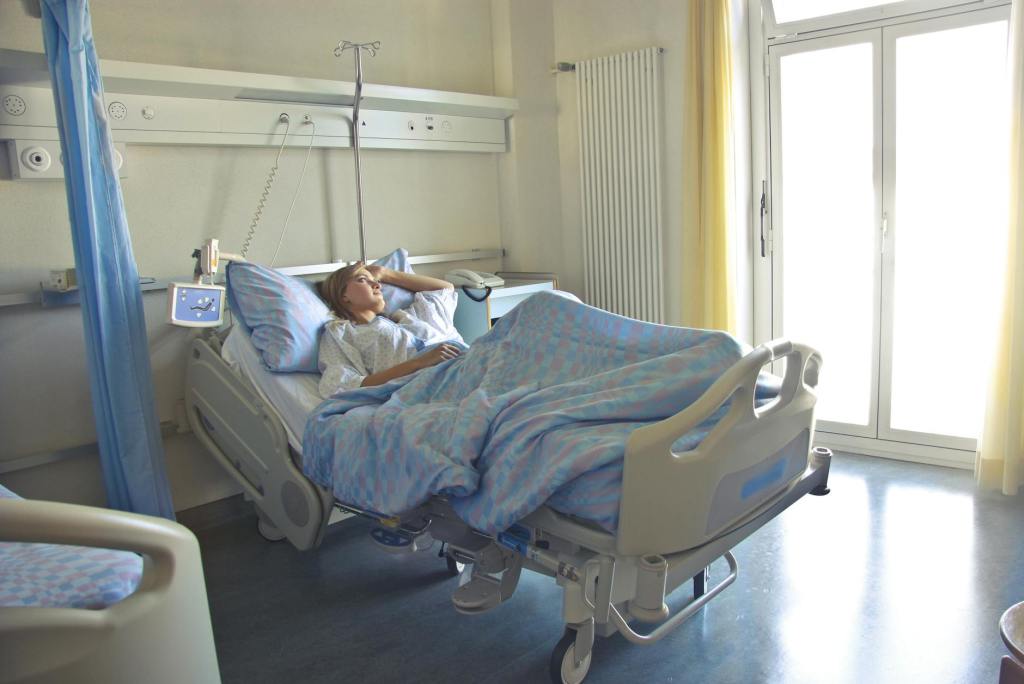
Constipation is a common but serious issue for stroke survivors, often exacerbated by immobility, medication side effects, and dietary changes. While occasional constipation is manageable, severe cases can lead to dangerous complications—including impaction, perforation, and even sepsis. In extreme situations, surgical intervention may be required, but some survivors refuse the procedure due to fear, lack of understanding, or cognitive impairments.
Recently, a discussion in my caregiver support group highlighted just how critical this issue can be. A fellow caregiver shared her struggle as her loved one refused a life-saving surgical intervention for severe constipation. The emotional weight of making such decisions is something many caregivers face, balancing medical necessity with respecting the autonomy of the person they care for.
This article will explore what happens to the body when severe constipation is left untreated, the worst-case scenarios, and how different types of fiber can help or worsen the situation.
The Risks of Severe Constipation in Stroke Survivors
Constipation in stroke survivors is often more than just discomfort; it can become a life-threatening issue if not properly managed.
- Fecal Impaction – When stool becomes too hard and dry, it can form a blockage in the intestines that prevents new waste from passing. This condition can cause severe pain, nausea, and vomiting. If untreated, it may require manual removal or surgery. (Mayo Clinic, 2023)
- Bowel Perforation – In extreme cases, the pressure from an impacted bowel can cause the intestinal walls to tear, leading to peritonitis, a life-threatening infection. (National Institute of Diabetes and Digestive and Kidney Diseases, 2022)
- Sepsis and Death – If fecal matter leaks into the bloodstream due to a perforation, it can lead to sepsis, a life-threatening systemic infection that can cause organ failure.
- Autonomic Dysreflexia – For stroke survivors with pre-existing neurological conditions, severe constipation can trigger a sudden and dangerous rise in blood pressure, potentially leading to a stroke or heart attack. (American Stroke Association, 2023)
Does Fiber Make Constipation Worse? Understanding the Right Type of Fiber
A common concern among caregivers is whether fiber can worsen constipation. The answer depends on the type of fiber consumed and the individual’s hydration levels.
- Insoluble Fiber (e.g., wheat bran, whole grains, vegetables) adds bulk to stool and speeds up movement through the intestines. However, in cases of severe constipation or impaction, adding too much insoluble fiber without adequate hydration can make stool harder and worsen the blockage. (Cleveland Clinic, 2023)
- Soluble Fiber (e.g., oats, beans, apples, psyllium husk) absorbs water and creates a gel-like consistency, softening stool and making it easier to pass. This type of fiber can be more beneficial for stroke survivors experiencing severe constipation. (Harvard T.H. Chan School of Public Health, 2022)
During the support group discussion, one caregiver was concerned that fiber would worsen constipation. While it is true that insoluble fiber can create bulkier stools, the key is balancing fiber intake with adequate hydration and gradual dietary adjustments. Understanding the differences in fiber types can prevent worsening symptoms and support bowel health more effectively.
The Role of Probiotics and Prebiotics in Digestive Health
In addition to fiber, probiotics and prebiotics can significantly improve gut health and aid in preventing constipation.
- Probiotics are live beneficial bacteria that help regulate digestion and improve stool consistency. They are found in foods like yogurt, kefir, kimchi, and over-the-counter supplements. Research suggests that probiotics can enhance gut motility and reduce constipation, particularly strains like Lactobacillus and Bifidobacterium. (National Institutes of Health, 2023)
- Prebiotics are types of fiber that feed the good bacteria in the gut, promoting a healthy microbiome. Foods like bananas, onions, garlic, and asparagus are rich in prebiotics. When paired with probiotics, they create a synergistic effect that supports overall digestive function. (Journal of Clinical Gastroenterology, 2022)
How to Prevent and Manage Severe Constipation
- Hydration is Key – Water is essential for fiber to function properly. Without enough fluids, fiber can contribute to harder stools.
- Gradual Fiber Introduction – Increase fiber intake slowly to allow the gut to adjust. Sudden large amounts can cause bloating and discomfort.
- Physical Activity – Even small movements or passive range-of-motion exercises can help stimulate digestion.
- Stool Softeners and Laxatives – Over-the-counter medications like polyethylene glycol (Miralax) can provide relief, but long-term reliance should be avoided.
- Abdominal Massage – Gentle circular motions on the lower abdomen can help stimulate bowel movements.
Awareness Can Save Lives
Severe constipation is more than just an inconvenience—it can be deadly if not managed properly. While fiber plays a crucial role in digestive health, choosing the right type and ensuring proper hydration is essential. Probiotics and prebiotics can further support gut health, reducing the risk of severe constipation. If a stroke survivor is experiencing prolonged constipation, caregivers should seek medical advice before it escalates into a more serious condition. Understanding these risks and taking preventive measures can improve the quality of life for stroke survivors and reduce the likelihood of emergency interventions.
By sharing real-life experiences, such as those discussed in caregiver support groups, we can raise awareness and help others make informed decisions about managing constipation in stroke survivors. If you’re facing a similar challenge, know that you’re not alone—there are many solutions available to ease this burden and improve digestive health.

 Beyond Stroke Survival
Leave a comment