
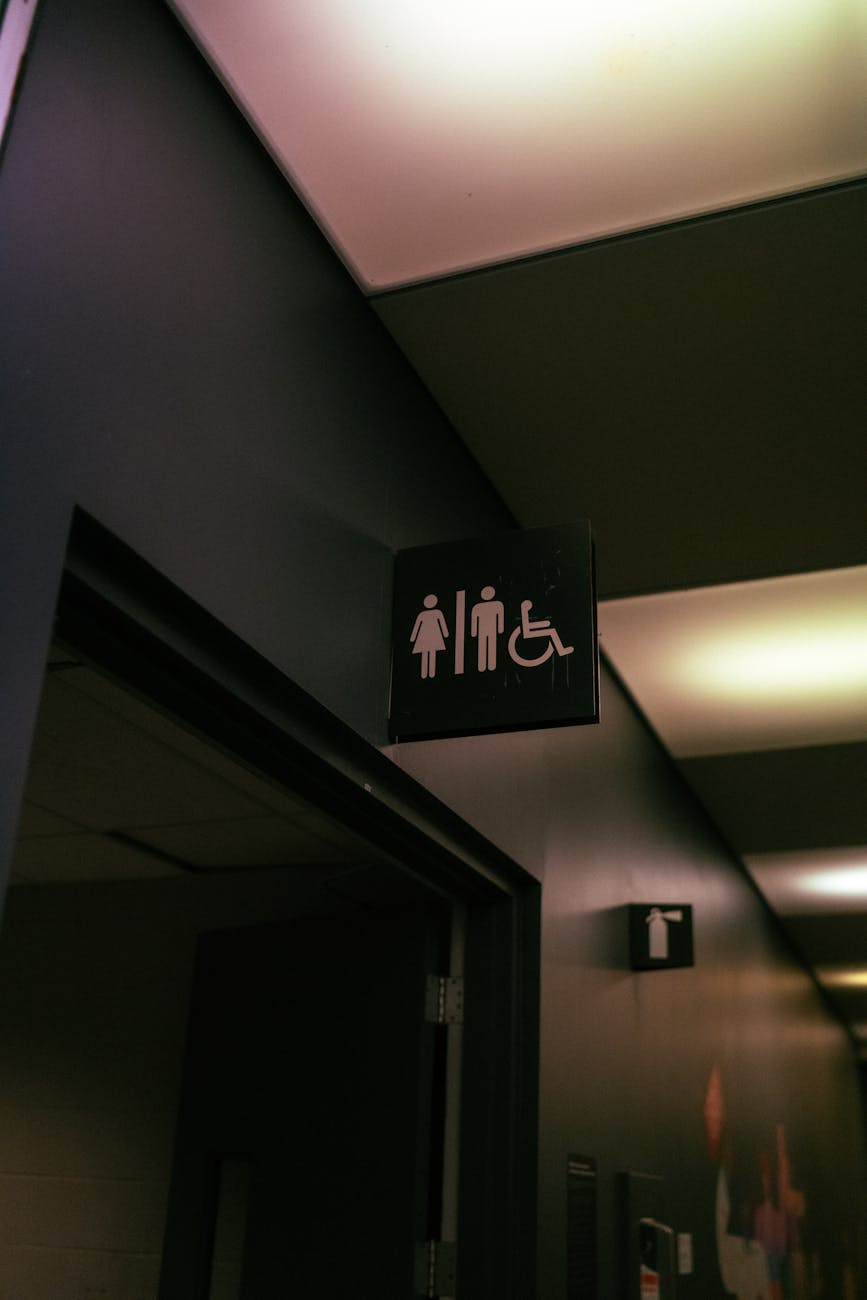
Incontinence, whether caused by aging, medical conditions, or physical impairments, can be a challenging and emotional issue to address. However, with patience, consistent training, and a supportive environment, individuals can regain some level of control and independence. This article explores practical strategies for bathroom training, highlights key techniques, and provides resources to guide caregivers and individuals through this process.
Understanding Incontinence
Incontinence refers to the loss of bladder or bowel control and can range from occasional leaks to complete loss of control. Common causes include:
- Medical conditions like strokes, Parkinson’s disease, or diabetes.
- Pelvic floor weakness caused by aging, childbirth, or surgeries.
- Neurological disorders affecting communication between the brain and bladder or bowel.
Goals of Bathroom Training
Bathroom training, also known as toileting retraining, aims to:
- Re-establish regular bathroom habits.
- Improve bladder or bowel control.
- Reduce the frequency of accidents.
- Restore a sense of dignity and independence.
Key Bathroom Training Techniques
1. Scheduled Voiding
- Set specific times for bathroom visits, such as every 2-3 hours, regardless of the individual’s urge to go.
- Gradually increase the time between visits as control improves.
2. Bladder Training
- Encourage the individual to hold their bladder for a few minutes after feeling the urge, gradually extending this time.
- Over time, this strengthens bladder muscles and improves control.
3. Prompted Voiding
- Caregivers remind or assist the individual to use the bathroom at regular intervals.
- This method is especially helpful for individuals with cognitive impairments.
4. Pelvic Floor Exercises
- Teach the individual to strengthen their pelvic floor muscles.
- These exercises can help control bladder and bowel functions.
5. Dietary Adjustments
- Encourage a diet rich in fiber to support bowel health.
- Limit bladder irritants such as caffeine, alcohol, and spicy foods.
6. Environmental Modifications
- Ensure the bathroom is easily accessible.
- Use tools like grab bars, raised toilet seats, and nightlights to reduce barriers.
Practical Tips for Success
- Create a Routine: Consistency is key. Establish a daily schedule for meals, hydration, and bathroom visits.
- Keep a Journal: Track accidents, bathroom visits, and dietary changes to identify patterns and triggers.
- Use Assistive Products: Absorbent pads, adult diapers, and waterproof mattress protectors can provide security during the retraining process.
- Stay Positive: Celebrate small victories and avoid expressing frustration. Progress may be slow, but positive reinforcement can make a big difference.
- Involve a Specialist: Consult a physical therapist, occupational therapist, or urologist for personalized guidance.
Resources and Support
- National Association for Continence (NAFC): Offers educational materials, support groups, and treatment resources. Visit here.
- Mayo Clinic: Information on incontinence causes, treatments, and training methods. Read more.
- American Physical Therapy Association: Find a physical therapist specializing in pelvic floor rehabilitation. Learn more.
A Personal Perspective
While caring for my mother after her stroke, addressing incontinence is one of the most challenging aspects of recovery. We started with a strict schedule of bathroom visits and worked with her physical therapist to incorporate pelvic floor exercises. Over time the frequency of accidents decreased. While the process required patience and adjustment, seeing her regain a sense of independence is incredibly rewarding.
Bathroom training for incontinent individuals is a gradual process, but with the right techniques, tools, and mindset, progress is possible. Whether you’re a caregiver or someone navigating incontinence yourself, remember that you’re not alone—there are resources, specialists, and communities ready to support you.
Have you found strategies that work well for bathroom training? Share your experiences in the comments below.

 Beyond Stroke Survival
Leave a comment